FOR SOLAR ECLIPSES
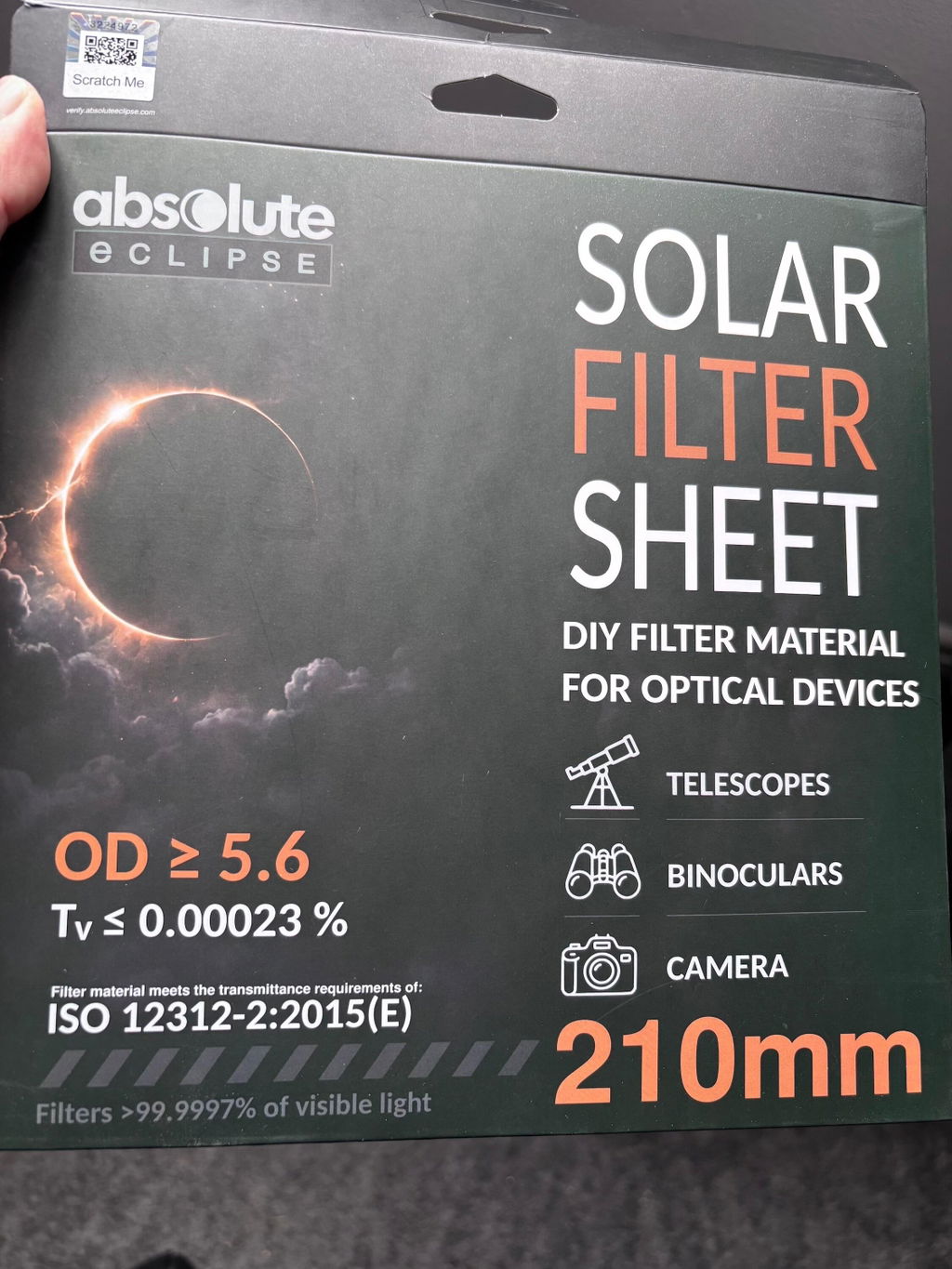
Solar Filter Sheet for Telescopes, Binoculars & Camera Lenses — DIY Solar Film, OD 5.6
READY FOR 2026, 12th AugustEN ISO 12312-2 certified solar viewer — safe for direct viewing of the 12 August 2026 total eclipse.
Incl. VAT. Free EU shipping over €50.
- AAS-recognized
- CE Category II
- EN ISO 12312-2
- QR-verified
Ships in 24 h from inside the EU on tracked delivery.
30-day returns on unopened items — no questions asked.
Demand peaks close to the date — order early.
It’s today — view safely.amazon · prefer Prime?
The same EN ISO 12312-2 certified glasses are listed on Amazon Germany — useful if you'd rather use Prime delivery or existing credit. Buying direct here is usually cheaper and ships from the EU.
CUT-TO-SIZE SOLAR FILTER FILM - OD 5.6
One Film. All Your Optics. The Sun, Safely.
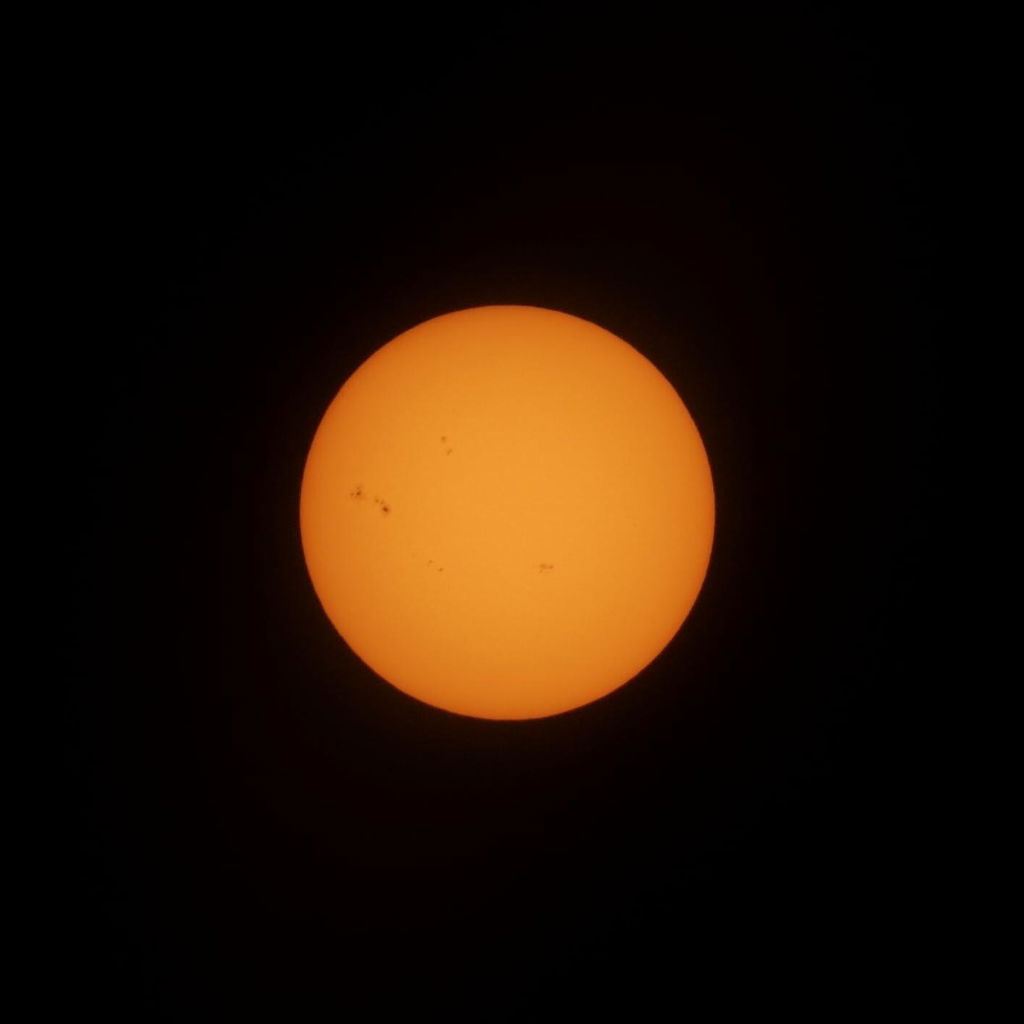
Cut the film to fit your optics: telescope, binoculars, spotting scope or camera lens. Tested to ISO 12312-2 by an accredited laboratory, it blocks 99.9998% of sunlight and reveals a sharp, detailed orange solar disc. Get ready for the eclipse on 12 August 2026.
Create Filters for All Your Optics
Camera Lenses
Build a front-mounted filter for solar photography with your compatible lenses. Attach it securely in front of the front element.
Spotting Scopes
Mount the film over the front aperture of your spotting scope for safe terrestrial-style solar observing.
Telescopes
Make a custom front filter for telescopes and large apertures. Always in front of the tube - never at the eyepiece.
Binoculars
Cut two front filters, one for each objective lens, mounted on separate cells.
The Right Filter for Every Aperture
Measure, Cut, Mount, Check
1. Measure Your Aperture
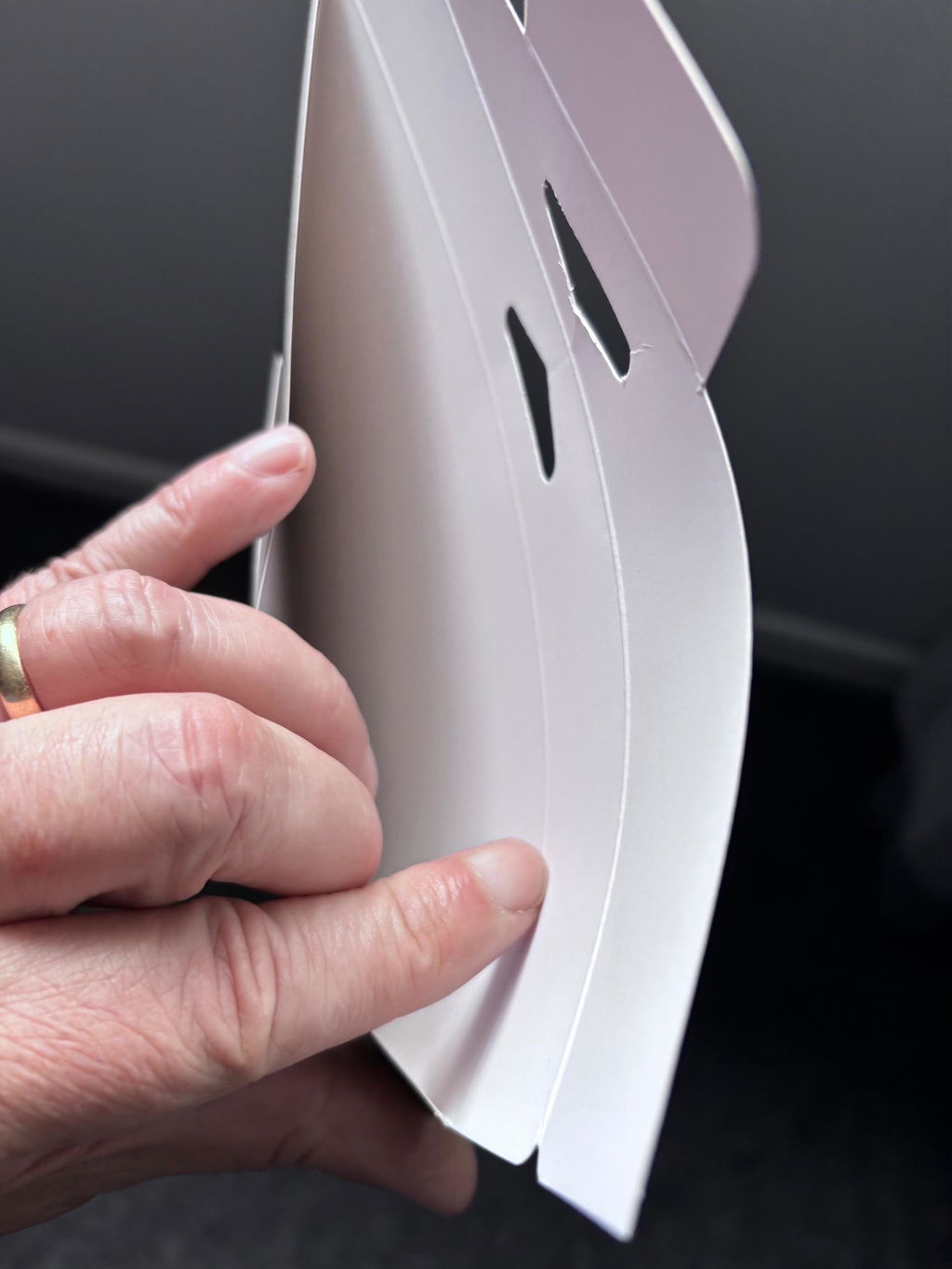
Note the outer diameter of the tube or lens and cut a cardboard ring slightly larger than the front of your instrument.
2. Cut to Size
Lay the film flat and cut a disc with a 10 mm margin on each side. Handle it by the edges without creasing the surface.
3. Mount It Securely
Place the disc on the cardboard ring and fix it with tape - flat and firmly held, with no risk of slipping off.
4. Check Before Every Use
Inspect the film against a bright light: no pinholes, scratches or tears. Cover the finderscope and replace if damaged.
About this model
The Absolute Eclipse Solar Filter Sheet is a flexible solar film for safe, direct observation and photography of the Sun through optical instruments. Cut the sheet to size and mount it over the front aperture of a telescope, pair of binoculars, spotting scope or camera lens to view sunspots, planetary transits and solar eclipses — or to build your own custom solar filter at a fraction of the cost of a ready-made one.
The film is an aluminised polymer that transmits no more than 0.00023% of visible light — an optical density of at least OD 5.6 — reducing the Sun's ultraviolet, visible and infrared radiation to comfortable viewing levels and rendering a sharp, natural orange solar disc with clear sunspot detail. The filter material is independently tested by ICS Laboratories (an ISO/IEC 17025 accredited test laboratory).
Available in three square sizes — 100×100 mm, 150×150 mm and 210×210 mm — to suit anything from a camera lens to a large refractor or binoculars. Measure your instrument's aperture, trim the sheet leaving at least 10 mm of overlap on every side, and secure it over the front opening with a rigid frame, holder or tape. Position the silver reflective side towards the Sun and the black side towards the instrument.
⚠ Safety
This filter must always be the first optical element between the Sun and your instrument. Never place it behind the eyepiece or a lens, where concentrated sunlight will burn through and cause instant, permanent damage. Inspect the film before every use and do not use it if scratched, pinholed or creased. Supervise children at all times.
How to use it
- Best solar filter for a camera — how to choose, and why an ND filter is not a solar filter
- How to photograph the Sun & a solar eclipse — the full beginner's walkthrough
- Camera settings (ISO, aperture, shutter) — the copy-it exposure cheat sheet
Manufacturer: SIA Gravitis Enterprise Limited, Lauku iela 7-4, Cēsis, LV-4101, Latvia.
Specifications
Specifications
- Certification
- Material tested by ICS Laboratories (ISO/IEC 17025)
- Optical density
- OD 5.6 — transmits ≤ 0.00023% visible light
- Blocks
- Ultraviolet, visible & infrared radiation
- Material
- Aluminised polymer film
- Sizes
- 100×100 mm · 150×150 mm · 210×210 mm
- Use
- Telescopes, binoculars, spotting scopes & camera lenses
- Mounting
- Silver side towards the Sun, black side to the instrument
How to view safely
Certified — but only if you use them right
-
01
Measure your aperture
Measure the front aperture of your telescope, binoculars or lens before cutting.
-
02
Cut & mount over the front
Trim the sheet leaving at least 10 mm overlap on every side, and secure it over the FRONT aperture — never behind the eyepiece or lens.
-
03
Inspect, then observe
Check the film for pinholes, scratches or creases. Position the silver side towards the Sun and observe. Supervise children at all times.
Do
- Mount the filter over the FRONT aperture, before any lens
- Leave at least 10 mm overlap and secure it firmly
- Face the silver reflective side towards the Sun
- Inspect the film for damage before every use
Don't
- Place the filter behind the eyepiece or a lens — it will burn through instantly
- Use the film if scratched, pinholed or creased
- Leave gaps where direct sunlight can bypass the filter
- Leave children unsupervised during observation
Plan your viewing
Be in the right place on 12 August 2026
Bulk & wholesale
Buying for a school, event or resale?
Per-unit price keeps dropping with volume. Order in bulk here, or talk to us for pallet pricing, custom branding and invoicing.